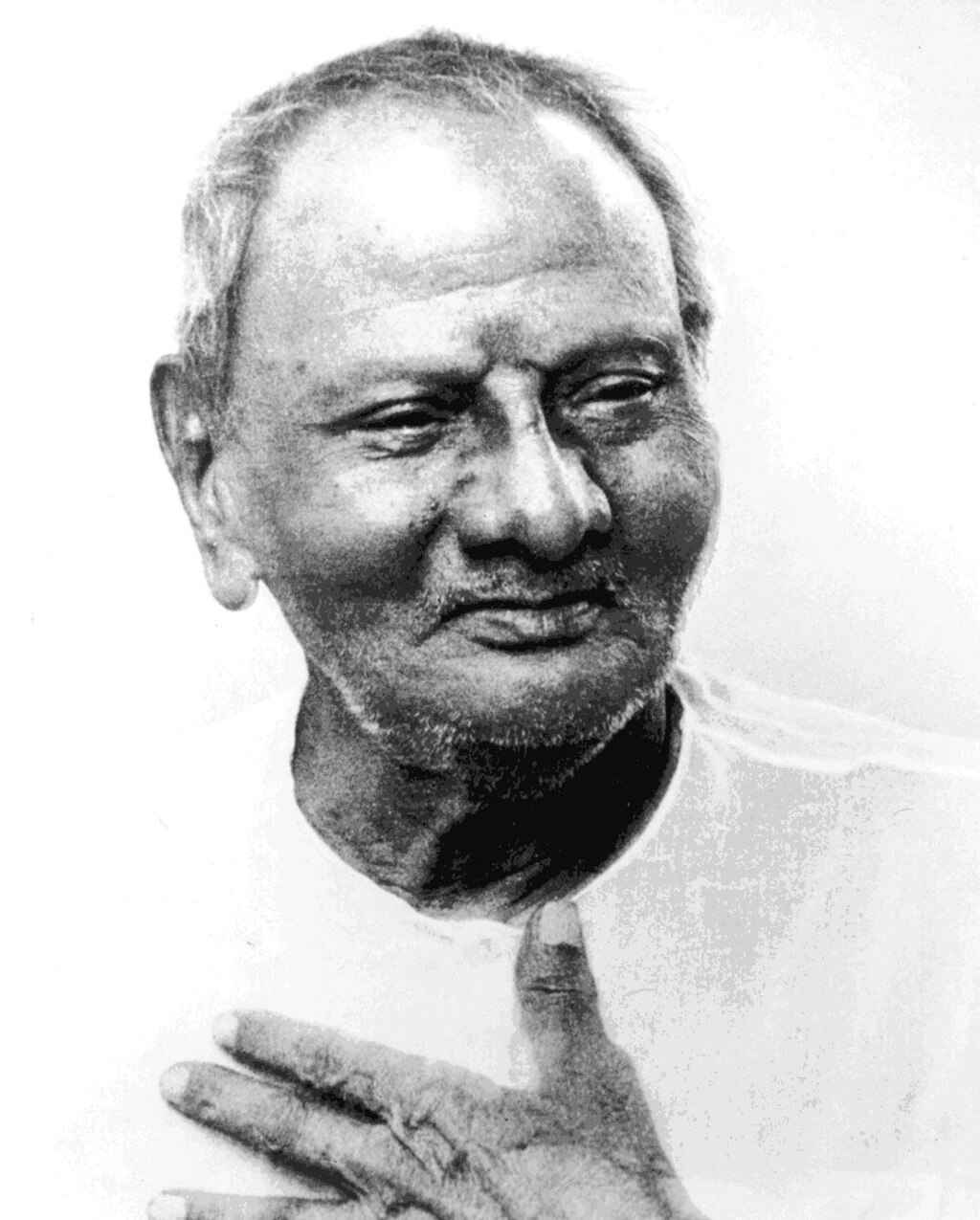
The Dance of Mind and World: A Non-Dual Perspective
Nisargadatta Maharaj's profound assertion, "The mind creates a world, and then the world creates the mind," invites us to explore the intricate interplay between our consciousness and the reality we perceive. This statement reveals a cyclical relationship where our thoughts shape our experiences, and in turn, those experiences influence our thoughts. Understanding this dynamic is crucial, as it illuminates the nature of our existence and the potential for awakening to a deeper truth beyond the confines of our conditioned minds.
At its core, this quote challenges us to reconsider the boundaries of our perception and the essence of reality itself. It suggests that the mind is not merely a passive observer but an active participant in the creation of our world. This understanding holds significant implications for our spiritual journey, as it emphasizes the importance of cultivating awareness and discernment in our thoughts and beliefs. By recognizing the fluidity of this relationship, we can begin to navigate our lives with greater intention and clarity.
The image / the metaphor
The imagery within Maharaj's quote evokes a sense of a dynamic interplay between the mind and the external world. The verbs "creates" and "shapes" suggest a creative force inherent in our thoughts, while the reciprocal nature of the relationship implies that the world is not a fixed entity but rather a reflection of our inner landscape. This metaphor invites us to visualize our consciousness as a canvas upon which the colors of our experiences are painted, each hue representing a thought, belief, or perception that contributes to the overall picture of our lives.
Diving deeper into this metaphor, we can see that the mind acts as both artist and observer, shaping the world while simultaneously being shaped by it. This duality reflects the non-dual perspective that Maharaj espouses, where the distinction between subject and object begins to dissolve. In this light, the mind is not separate from the world it creates; rather, it is an integral part of a larger tapestry of existence, woven together by the threads of consciousness and experience.
In the speaker's tradition
Nisargadatta Maharaj's teachings are rooted in the non-dual tradition, which emphasizes the interconnectedness of all things and the illusion of separateness. Concepts such as *sunyata* (emptiness) and *kenosis* (self-emptying) resonate deeply with the idea that the mind's creations are not inherently real but rather transient manifestations of consciousness. In this tradition, the realization of one's true nature transcends the dualistic perceptions of mind and world, leading to a profound awakening to the essence of being.
In his seminal work, *I Am That*, Maharaj articulates the importance of self-inquiry and the recognition of the illusory nature of the ego. This aligns with the notion that the mind's creations—its thoughts, beliefs, and perceptions—are often rooted in conditioning and illusion. By engaging in practices that cultivate awareness and presence, one can begin to dismantle these constructs, revealing the underlying truth of existence that transcends the limitations of the mind.
Living the teaching
Consider a modern scenario where this teaching becomes particularly relevant: the experience of anxiety in daily life. When faced with overwhelming thoughts about the future or past, the mind creates a world filled with fear and uncertainty. This mental construct can feel all-consuming, shaping our emotional state and influencing our actions. However, by recognizing that these thoughts are not the entirety of our experience, we can begin to shift our perspective, allowing us to respond to life with greater equanimity and clarity.
In the context of relationships, the quote serves as a reminder of how our perceptions can shape our interactions with others. For instance, if we approach a conversation with preconceived notions or judgments, we create a world that may hinder genuine connection. Conversely, by cultivating an open mind and heart, we allow the world to shape our understanding of others, fostering deeper empathy and compassion. This practice of awareness can transform our relationships, inviting us to engage with the present moment rather than being trapped in the narratives constructed by our minds.
A reflection
As we contemplate the wisdom of Maharaj's words, we are invited to reflect on the nature of our own minds and the worlds we create. What thoughts or beliefs are shaping your perception of reality? In what ways might you begin to dismantle the constructs that no longer serve you, allowing for a more authentic experience of life? This inquiry can lead to profound insights and a deeper understanding of the interplay between consciousness and existence.



Join the BrightStar Community
Stay connected with daily inspiration, event announcements, and community wisdom