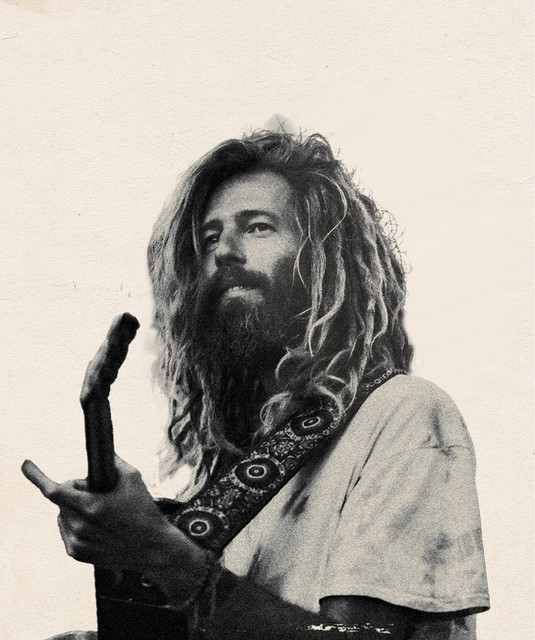
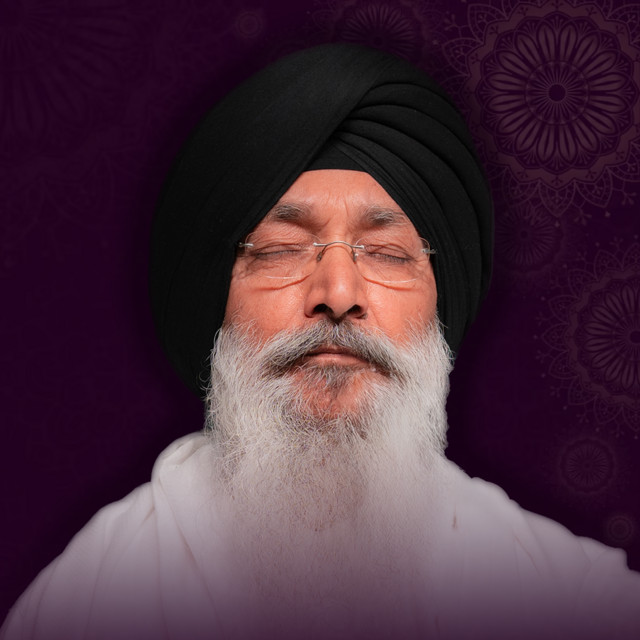
Kirtan
Call-and-response devotional chanting from the Bhakti yoga tradition, often accompanied by harmonium, drums, and other instruments.
Understanding Kirtan
Kirtan represents one of the most significant practices within chanting & devotional, offering practitioners a profound pathway to personal transformation and spiritual growth. For those new to the concept, understanding kirtan begins with recognizing its place within the broader tapestry of conscious living traditions that have guided seekers for generations.
The practice of kirtan has evolved over centuries, adapting to meet the needs of contemporary practitioners while maintaining its essential wisdom. Today, kirtan is practiced by millions worldwide, from dedicated practitioners in traditional lineages to curious beginners exploring the wellness space for the first time. This accessibility has made kirtan one of the most sought-after experiences in the transformational events landscape.
What makes kirtan particularly valuable in today's world is its ability to address the unique challenges of modern life. In an era characterized by constant connectivity, information overload, and unprecedented levels of stress, kirtan offers a sanctuary—a space where practitioners can reconnect with themselves, their communities, and something larger than their individual concerns. This is why kirtan events continue to grow in popularity, with seekers traveling from around the world to experience authentic offerings.
Kirtan traces its origins to ancient India, emerging from the Bhakti (devotional) yoga tradition over 500 years ago. The practice began in the 15th century with the Bhakti movement, led by saints like Chaitanya Mahaprabhu, who popularized congregational chanting as a path to divine connection.
The word "kirtan" comes from the Sanskrit root "kirt," meaning "to praise" or "to glorify." Unlike formal temple rituals, kirtan was revolutionary in its accessibility—it welcomed people of all castes and backgrounds to participate in devotional singing.
The practice spread throughout India through wandering saints and devotees who carried these sacred songs from village to village. Each region developed its own unique styles and melodies, from the ecstatic Bengali kirtans to the meditative South Indian bhajans.
Kirtan came to the West in the 1960s through teachers like A.C. Bhaktivedanta Swami Prabhupada, founder of ISKCON (the Hare Krishna movement). In recent decades, artists like Krishna Das, Jai Uttal, and Snatam Kaur have brought kirtan to mainstream audiences, blending traditional mantras with contemporary musical elements.
Today, kirtan gatherings can be found in yoga studios, concert halls, and living rooms worldwide. The practice has evolved to include instruments from various traditions—harmoniums, guitars, violins, and electronic elements—while maintaining its core purpose of creating a shared space for devotional expression and community connection.
Bengali Kirtan
Originating from the tradition of Chaitanya Mahaprabhu, Bengali kirtan features complex rhythmic patterns (talas) and often builds to ecstatic heights. Instruments typically include mridanga drums and karatalas (hand cymbals).
Sikh Kirtan (Shabad)
Sacred hymns from the Guru Granth Sahib sung in Gurudwaras. Features the harmonium, tabla, and sometimes rabab. The music is deeply devotional and meditative.
Contemporary Western Kirtan
Fusion of traditional mantras with Western musical elements—guitar, bass, keyboards. Artists like Krishna Das and Jai Uttal have popularized this accessible style.
Naam Kirtan
Simple repetition of divine names, often with minimal instrumentation. Emphasizes the power of the names themselves rather than musical complexity.
Sankirtan
Public kirtan performed while walking or processing through streets. Brings devotional practice into the public sphere as a form of spiritual activism.
Introduction to Kirtan Chanting
Listen: Kirtan: Sacred Chants
Why Practice Kirtan?
The reasons people are drawn to kirtan are as diverse as the practitioners themselves. Whether you're seeking stress relief, spiritual connection, physical wellness, or community, kirtan offers a multifaceted approach to wellbeing that addresses the whole person—body, mind, and spirit.
Mental Clarity & Emotional Balance
Regular engagement with kirtan has been shown to reduce stress, anxiety, and symptoms of depression. Practitioners often report improved focus, better emotional regulation, and a greater sense of mental clarity. The practice creates space for processing emotions and developing healthier responses to life's challenges.
Physical Wellness
While the specific physical benefits depend on the particular form of kirtan you practice, many participants experience improvements in sleep quality, reduced muscle tension, better breathing patterns, and enhanced body awareness. These physical shifts often serve as a foundation for deeper transformation.
Spiritual Connection
For many practitioners, kirtan serves as a gateway to spiritual experience—moments of transcendence, connection with something greater than oneself, and a sense of meaning and purpose. These experiences can be profoundly healing and often inspire continued exploration of chanting & devotional practices.
Community & Belonging
Kirtan events create opportunities to connect with like-minded individuals who share your interest in personal growth and conscious living. These communities often become sources of lasting friendship, support, and shared exploration. The relationships formed through kirtan can be some of the most meaningful in practitioners' lives.
Mental Benefits
- Reduces stress and anxiety through rhythmic breathing and vocalization
- Promotes mindfulness and present-moment awareness
- Creates feelings of joy and emotional release
- Builds community connection and reduces feelings of isolation
- Improves focus through repetitive mantra concentration
Physical Benefits
- Deepens breathing capacity through extended vocalization
- Releases tension held in the throat, chest, and diaphragm
- Stimulates the vagus nerve, promoting relaxation response
- Increases oxygen flow through conscious breathing
- Can lower blood pressure and heart rate
Spiritual Benefits
- Creates direct connection with the divine through sacred names
- Opens the heart center (Anahata chakra)
- Cultivates devotion (bhakti) as a spiritual path
- Transcends the ego through group participation
- Builds a personal relationship with chosen deities or qualities
Getting Started with Kirtan
Beginning your kirtan journey is more accessible than you might think. While the practice has deep roots and rich traditions, most experienced teachers welcome beginners with open arms, understanding that everyone starts somewhere. The key is approaching your first experience with curiosity, openness, and a willingness to be present with whatever arises.
When searching for your first kirtan experience, look for events specifically marked as "beginner-friendly" or "all levels welcome." Many teachers offer introductory workshops or series designed to build foundational understanding before diving into more advanced practices. Don't hesitate to reach out to organizers with questions—the chanting & devotional community is generally welcoming and eager to support new practitioners.
For your first session, arrive a few minutes early to settle in and speak with the facilitator if possible. Wear comfortable clothing that allows free movement, and bring water. Most importantly, let go of expectations about what "should" happen. Your experience of kirtan will be uniquely yours, and there's no right or wrong way to engage with the practice as long as you approach it with respect and authenticity.
As you continue exploring kirtan, you may find yourself drawn to particular teachers, lineages, or variations of the practice. Trust this natural evolution. Many lifelong practitioners describe their journey as one of continuous discovery, with new dimensions of the practice revealing themselves over time. The depth available through kirtan is virtually unlimited for those willing to explore.
Kirtan requires no special training or singing ability—only an open heart and willingness to participate. Here's how to begin your practice:
Finding a Kirtan Start by attending a local kirtan gathering. Check yoga studios, spiritual centers, and event listings on BrightStar for upcoming sessions. Many kirtans are offered on a donation basis, making them accessible to all.
The Call-and-Response Format Kirtan follows a simple format: the lead singer (kirtan wallah) sings a phrase, and the group responds by repeating it. You don't need to memorize anything—just listen and echo what you hear. The melodies typically start slow and meditative, gradually building in energy and tempo.
Surrender to the Experience Don't worry about your voice or "getting it right." Close your eyes, feel the music, and let the sounds move through you. Some people sit quietly, others sway, clap, or dance. There's no wrong way to participate.
Learn Basic Mantras Common kirtan mantras include: - "Om Namah Shivaya" (honoring the divine within) - "Hare Krishna" (celebrating divine love) - "Om Namo Bhagavate Vasudevaya" (devotion to the all-pervading One) - "Lokah Samastah Sukhino Bhavantu" (may all beings be happy)
Create a Home Practice You can practice kirtan at home using recordings by artists like Krishna Das, Jai Uttal, or Deva Premal. Sit comfortably, light a candle or incense if you wish, and sing along. Even 10-15 minutes can shift your state of consciousness.
Join the Community Kirtan is fundamentally a communal practice. The magic happens when voices join together, creating a field of devotion that lifts everyone present. Regular participation deepens the experience and builds lasting spiritual friendships.
Frequently Asked Questions About Kirtan
Not at all. While kirtan has Hindu devotional roots, many participants come from diverse spiritual backgrounds or none at all. The practice can be approached as a form of sound meditation, community singing, or simply a joyful musical experience. The mantras themselves are often described as "seed sounds" that work on an energetic level regardless of belief.
Wear comfortable, modest clothing that allows you to sit on the floor easily. Most people dress casually—yoga clothes, loose pants, flowing tops. Some choose to wear white or traditional Indian attire, but this is entirely optional. The focus is on inner experience rather than outer appearance.
Absolutely! Kirtan is not a performance—it's a participatory practice. Your voice, exactly as it is, is welcome. Many people find their voice opening up over time, but even those who never feel "good" at singing report profound experiences. The collective sound carries everyone, and many traditions teach that the divine hears the devotion in your heart, not the quality of your notes.
Kirtan specifically uses the call-and-response format, creating a dialogue between leader and group. Unlike silent mantra meditation, kirtan is sung aloud. Unlike choir singing, everyone participates equally—there's no audience. The interactive, improvisational nature sets kirtan apart from more structured devotional practices.
A kirtan usually lasts 1-2 hours. It often begins with an opening invocation or brief meditation. The lead singer (kirtan wallah) then introduces mantras, starting slow and gradually building energy. There may be several different chants with different qualities. The session often ends with a closing chant and period of silence. Some gatherings include prasad (blessed food) or tea afterward.
Yes! While community kirtan is powerful, solo practice is valuable too. You can sing along with recordings, play a harmonium or guitar, or simply chant with no accompaniment. Many practitioners maintain a daily home practice and attend group kirtans periodically. The combination deepens both experiences.
Each mantra carries specific meanings and energies. "Om Namah Shivaya" honors the divine consciousness within. "Hare Krishna" celebrates divine love and joy. "Om Mani Padme Hum" (from Buddhist tradition) invokes compassion. However, many teachers emphasize that the sound vibration itself is transformative, regardless of intellectual understanding. The meanings can deepen over time through practice and study.
Many children love kirtan! The interactive nature, simple melodies, and instruments make it engaging for kids. Some kirtan leaders offer family-friendly sessions with shorter duration and more movement. Children often participate with natural enthusiasm, dancing and playing instruments. It can be a beautiful way to share spiritual practice across generations.
Related Chanting & Devotional Terms
View all in Chanting & DevotionalBhajan
Devotional songs expressing love and longing for the divine, typically sung in Hindi or Sanskrit.
Mantra
Sacred words, sounds, or phrases repeated during meditation or chanting to focus the mind and invoke spiritual energy.
Japa
The meditative practice of repeating a mantra, often using mala beads to count repetitions.
Harmonium
A hand-pumped keyboard instrument commonly used to accompany kirtan and devotional singing.
Bhakti
The yoga of devotion—a spiritual path centered on love, surrender, and devotion to the divine.
Om (Aum)
The primordial sound of the universe, often chanted at the beginning and end of yoga practices.
Find Your Perfect
Kirtan Experience
Join 350,000+ seekers discovering life-changing chanting & devotional events. From intimate local gatherings to transformative destination retreats.
Free to browse · No account required to discover events
For Kirtan Teachers
& Event Organizers
Be the Change.Keep the Change!
List your kirtan events and reach 350,000+ seekers actively searching for authentic chanting & devotional experiences.
No credit card required · Seva tier always free