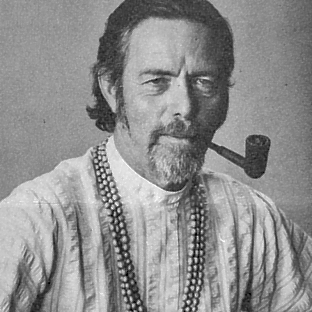
Embracing the Stars: Acceptance in the Vastness of Existence
Alan Watts invites us to contemplate the nature of reality with his profound observation: "Things are as they are. Looking out into the universe at night, we make no comparisons between right and wrong stars." In this statement, he encourages us to embrace acceptance, suggesting that our tendency to judge or categorize experiences is a barrier to true understanding. The stakes of this teaching are high; in a world rife with comparisons and judgments, Watts reminds us of the beauty of simply being, of recognizing the inherent value in existence itself.
To delve deeper, we must consider the implications of this acceptance. Watts challenges us to look beyond our habitual frameworks of right and wrong, urging us to experience the universe as it is—without the filters of our judgments. This perspective invites a sense of peace and liberation, allowing us to appreciate the stars in their unique brilliance rather than measuring them against an arbitrary standard. It is a call to recognize the interconnectedness of all things, to see that each star, like each moment in our lives, holds its own significance.
The image / the metaphor
The imagery of stars in Watts's quote evokes a sense of wonder and vastness. When we gaze at the night sky, we are met with a tapestry of light, each star shining with its own intensity and character. The choice of words—"looking out," "no comparisons," "right and wrong"—paints a picture of an expansive universe where judgment has no place. This felt sense of the cosmos invites us to step back from our daily concerns and immerse ourselves in the beauty of existence, free from the constraints of our minds.
Going deeper into the metaphor, the stars symbolize the myriad experiences and beings that populate our lives. Just as each star has its own path and purpose, so too do our experiences unfold in their unique ways. By refraining from comparisons, we open ourselves to a richer understanding of life, one that embraces diversity rather than enforcing conformity. This perspective allows us to appreciate the complexity of existence, recognizing that every moment, like every star, contributes to the greater whole.
In the speaker's tradition
Alan Watts, a prominent figure in the Zen tradition, draws upon concepts that resonate deeply with his message of acceptance. Central to Zen is the idea of *sunyata*, or emptiness, which teaches that all phenomena are interconnected and devoid of inherent judgment. This understanding encourages us to let go of our attachments to dualistic thinking—right versus wrong, good versus bad—and to embrace the fluidity of existence. In this light, Watts's quote serves as a reminder that our perceptions are often clouded by preconceived notions, and true wisdom lies in seeing things as they are.
In his work, Watts often references the *Tao Te Ching*, a foundational text in Taoism that echoes similar sentiments. The Taoist principle of *wu wei*, or effortless action, aligns with the acceptance of things as they are. By allowing life to unfold without resistance, we cultivate a sense of harmony with the universe. This philosophical alignment underscores the timeless nature of Watts's insights, revealing that the wisdom of acceptance transcends cultural and temporal boundaries.
Living the teaching
Consider a modern scenario where this teaching can be applied: a workplace filled with competition and comparison. In such an environment, it is easy to fall into the trap of measuring oneself against colleagues, leading to stress and dissatisfaction. By embracing Watts's perspective, one can shift focus from comparison to appreciation. Recognizing the unique contributions of each individual, including oneself, fosters a collaborative spirit and a sense of belonging, allowing for a more fulfilling work experience.
Another application of this teaching might arise in personal relationships. When conflicts arise, it is common to label behaviors as right or wrong, creating a divide between partners. By adopting an attitude of acceptance, one can approach disagreements with curiosity rather than judgment. This shift allows for open communication and deeper understanding, transforming potential conflicts into opportunities for growth and connection. In both scenarios, the practice of acceptance nurtures a more harmonious existence, reflecting the wisdom of the stars.
A reflection
As we contemplate Watts's words, we are invited to reflect on our own lives: What judgments do we impose on ourselves and others that hinder our ability to accept reality? In a world that often emphasizes comparison and competition, how can we cultivate a practice of seeing things as they are, without the filters of right and wrong? This contemplative question encourages us to explore the depths of acceptance, inviting us to embrace the beauty of existence in all its forms.




Join the BrightStar Community
Stay connected with daily inspiration, event announcements, and community wisdom